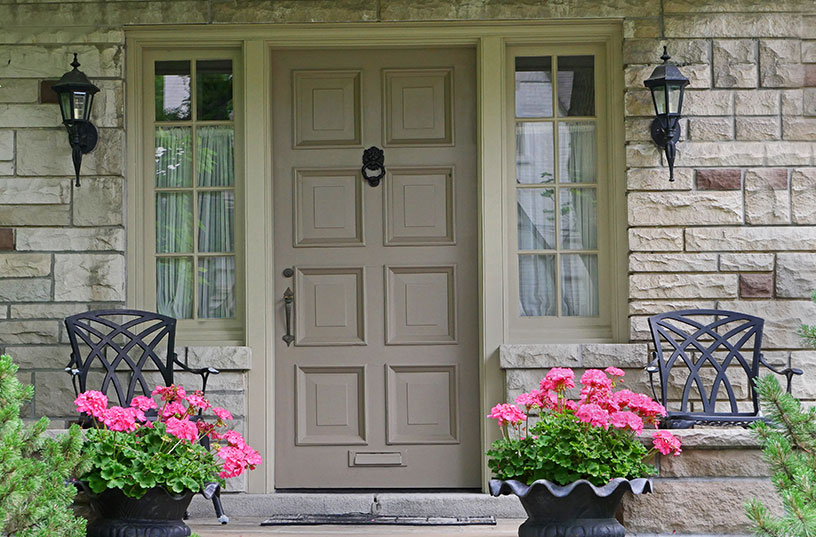


Have you ever traveled somewhere and thought “I wish I lived here?” Do you find yourself returning to a favorite place year after year? If so, you may have considered buying a vacation home so you can enjoy more time in your “dream destination.”
Vacation homes can be wonderful, offering a private, customized “home away from home” in an area you enjoy without the stress of peak-season bookings. Many people also find a vacation home can help build a lifetime of great memories with family – it might even become a place you pass down to future generations. And, if you don’t mind sharing it with others, a second home can generate rental income. In fact, there are plenty of benefits to buying a vacation home:
- Owning a personal retreat lets you skip the packing and unpacking of essentials because you can keep your space stocked with your own amenities.
- Vacation homes offer flexibility. You can take spontaneous trips without the hassle of making reservations weeks or even months in advance.
- Staying in the same area allows you to become part of the community and build a new social network.
- The property can become a place to relocate full-time in retirement.
- You can deduct mortgage interest paid on up to $750,000 of principal mortgage debt. You can also deduct property taxes on a second home, but the deduction is capped and based on household income.
However, vacation homes are not all sunshine and s’mores. Buying a second home is a significant investment, so it’s wise to consider all the factors before you take the leap.
- Property maintenance and management. Your vacation home likely won’t be close enough for you to stop by frequently, which means home repairs and regular maintenance can become a hassle. If you can afford to hire a property manager or local maintenance providers, then this becomes less of a problem. But if you’ll be spending most of your vacation time doing chores and general “upkeep,” it might not be the relaxing retreat you hoped for.
- Limited flexibility. Once you invest in a vacation home, you’ll probably want to use it as much as possible, which means you’ll have less time and possibly fewer funds to take trips to other destinations. It’s important to consider how much you plan on using the home and whether you’re willing to give up other travel plans.
- Local rental laws. If you’re planning on renting out the property when you’re not using it, be sure to check the local laws before purchasing a vacation home. Many towns are passing ordinances that prohibit short-term rentals or require homeowners to pay fees to list their homes as rentals.
- Income volatility. If you do plan to generate rental income, be prepared for wide fluctuations between high and low tourist seasons. Be sure to budget for low-season vacancies, and factor in marketing and advertising costs to attract bookings.
- Ongoing expenses. Owning a vacation home involves more than a second mortgage. Having two homes means you have double the costs. You need to plan for ongoing expenses such as taxes, insurance, utilities, any HOA fees, repairs and maintenance. Experts suggest that a good rule of thumb is to set aside 1-3% of the home’s purchase price annually for maintenance, depending on the size and condition of the property. It’s also wise to consider whether you have the financial resources to make necessary renovations and furnish your vacation home.
- Financing options. It’s typically harder to finance a vacation home because second homes are considered a “higher risk.” So, interest rates may be 25% to 0.50% higher than rates for primary residences. The required down payment is also typically higher, often around 20-25%, compared to as little as 3% for a primary residence.
Having your own private retreat can be a wonderful way to unwind and recharge. But before you invest in a vacation home, it’s important to consider how often you will be using the house, how expensive or convenient it is to get there regularly, how you plan to use the property, and whether you have the financial resources to make it work.
If you’re thinking about purchasing a vacation home but need some guidance, consider working with an experienced real estate agent. At Cornerstone Real Estate, our team can help you navigate the market, find properties that meet your goals, and make more informed decisions whether you’re buying for personal use, rental income, or both. Ready to take the next step? Contact us today and let’s find your perfect vacation home.